What Is the Difference Between Retinol and Retina?
What is the difference between retinol and retina? Retinol is a form of vitamin A commonly used in skincare products to help improve fine lines, uneven skin tone, and skin texture. The retina, on the other hand, is a light-sensitive layer of tissue at the back of the eye that plays an essential role in vision. They are not the same thing.
However, many people searching for "retinol vs retina" actually mean "retinol vs retinal." Retinal, also called retinaldehyde, is another vitamin A derivative used in skincare. Unlike the retina, retinal is a chemical compound closely related to retinol.
This guide explains the differences between retinol, retina, and retinal, including their biological functions, skincare benefits, chemical properties, and how to choose between retinol and retinal in a skincare routine.
Retinol vs Retina vs Retinal: Quick Comparison
| Feature | Retinol | Retina | Retinal |
|---|---|---|---|
| Definition | A form of vitamin A | Light-sensitive tissue in the eye | A vitamin A derivative, also called retinaldehyde |
| Type | Chemical compound | Anatomical structure | Chemical compound |
| Main function | Vitamin A metabolism and skincare | Detecting light and supporting vision | Vision and vitamin A metabolism; also used in skincare |
| CAS number | 68-26-8 | Not applicable | 116-31-4 (all-trans-retinal) |
| Molecular formula | C20H30O | Not applicable | C20H28O |
| Molecular weight | 286.45 g/mol | Not applicable | 284.44 g/mol |
| Skincare ingredient? | Yes | No | Yes |
| Retinoic acid conversion | Two oxidation steps | Not applicable | One oxidation step |
Key takeaway: Retina is part of your eye. Retinol and retinal are different vitamin A compounds. In skincare discussions, the intended comparison is often retinol versus retinal, not retinol versus retina.
1. What Is Retinol?
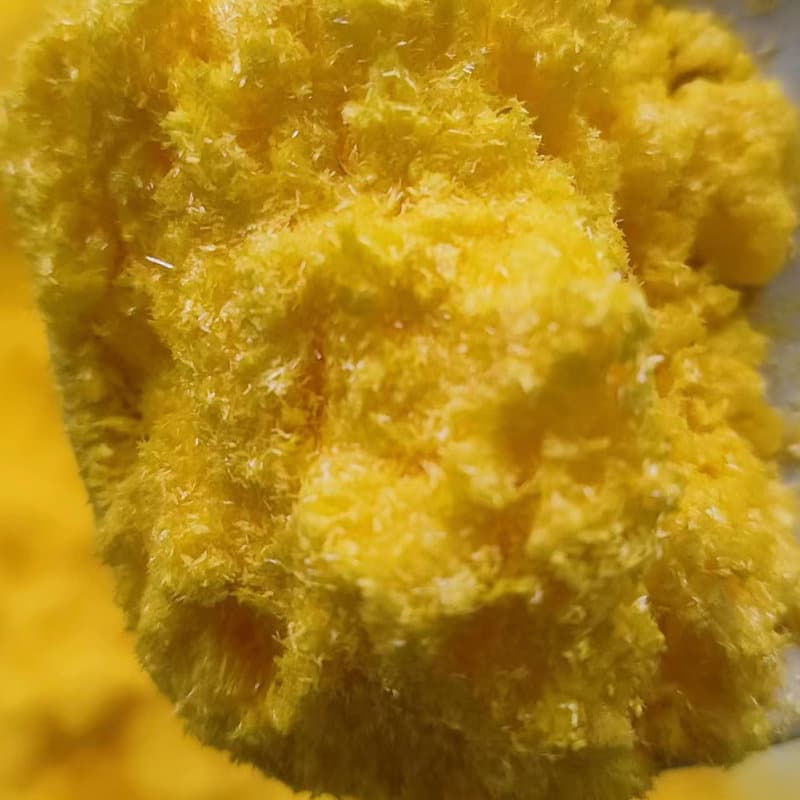
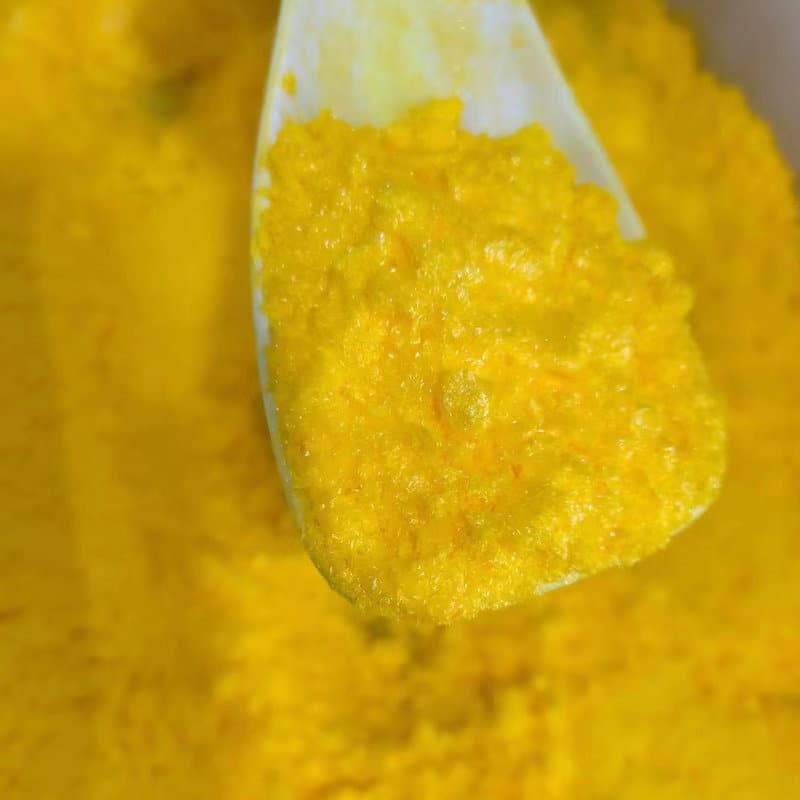
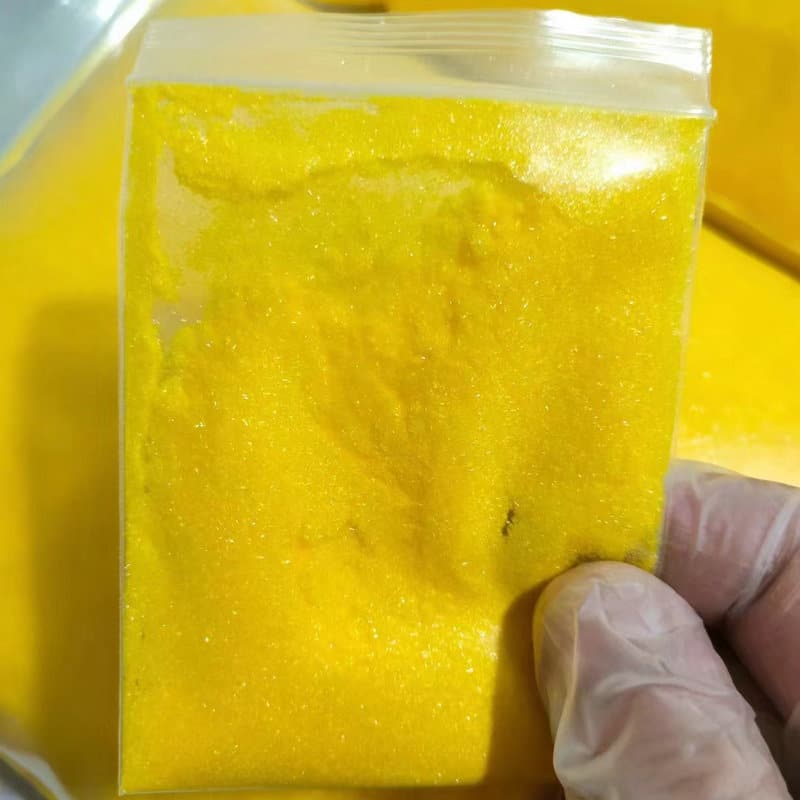
Retinol, also known as vitamin A1 or all-trans-retinol, is a fat-soluble form of vitamin A involved in normal growth, vision, cellular development, and other biological processes.
In cosmetics, retinol belongs to the retinoid family and is widely used in anti-aging creams, serums, and lotions.
What Does Retinol Do for Skin?
Topical retinol can support changes in skin cell activity associated with improvements in the visible signs of photoaging. Research has examined its effects on fine wrinkles, collagen-related pathways, and skin texture.
Potential skincare benefits include:
Fine lines and wrinkles: Retinol can help improve the appearance of fine wrinkles with continued use.
Uneven skin tone: Retinol-containing products may gradually improve the appearance of some pigmentation irregularities.
Skin texture: Retinol can help make the skin surface appear smoother.
Clogged pores: Retinoid-related effects on skin cell turnover may help with some acne-prone skin concerns.
Photoaging: Retinol has been investigated for its ability to improve changes associated with cumulative ultraviolet exposure.
These benefits are not immediate. Visible changes usually require consistent use over several weeks or months. Results vary according to concentration, formulation, skin condition, and tolerability.
Retinol Chemical Properties
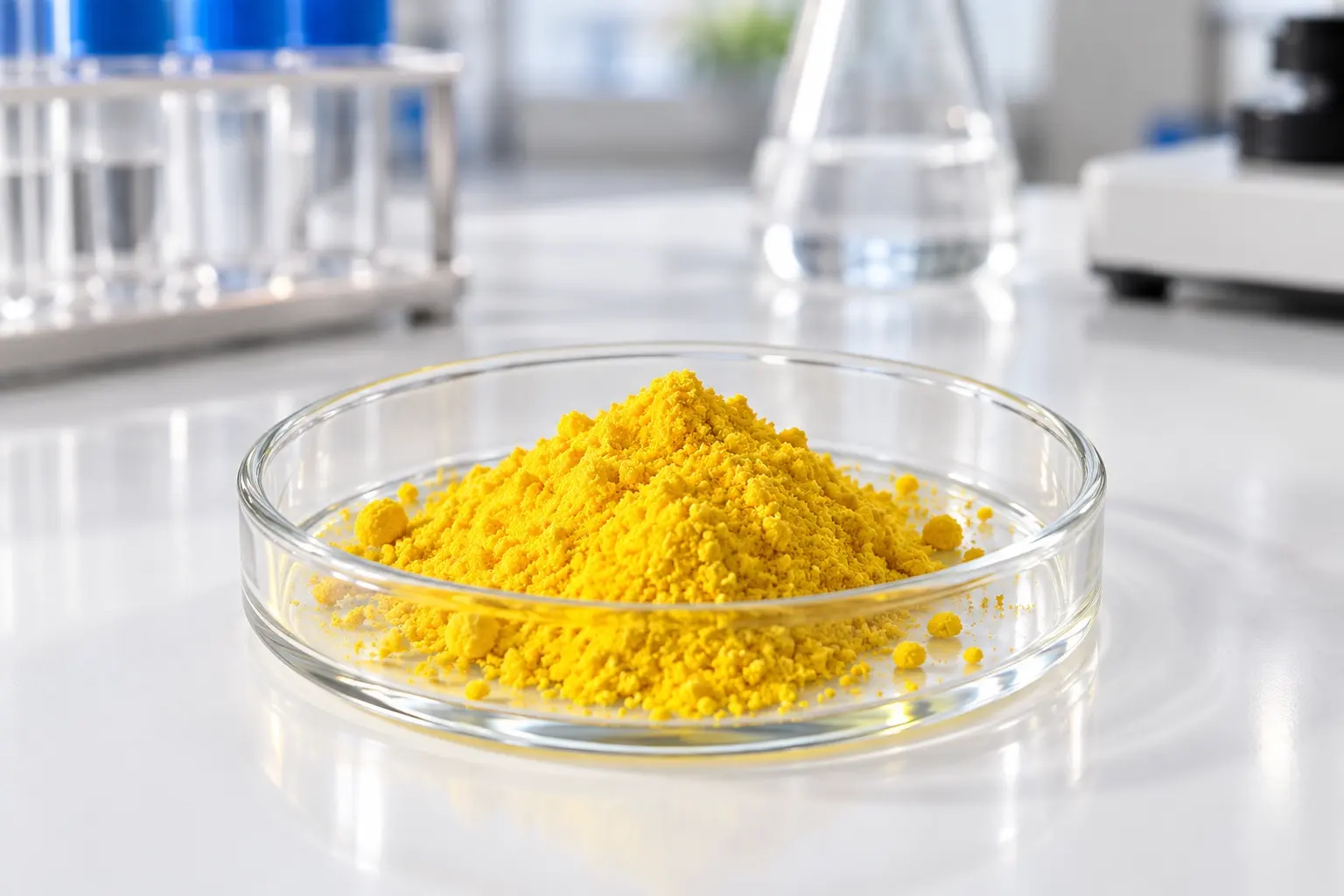
INCI name: Retinol
Alternative names: All-trans-Retinol, Vitamin A1, Vitamin A Alcohol, Axerophthol
CAS number: 68-26-8
Molecular formula: C20H30O
Molecular weight: Approximately 286.45 g/mol
Chemical class: Retinoid; unsaturated alcohol
Retinol is sensitive to conditions such as light, oxygen, and heat. Appropriate formulation, packaging, and storage are important for maintaining its quality.
2. What Is the Retina?
The retina is a thin, specialized layer of neural tissue lining the back of the eye. Its primary function is to detect light and begin converting visual information into electrical signals that can be processed by the brain.
Unlike retinol, the retina is not a chemical ingredient and cannot be added to skincare products.
How Does the Retina Work?
The retina contains specialized photoreceptor cells known as rods and cones.
Rods: Important for vision in dim lighting.
Cones: Important for color vision and detailed vision in brighter lighting.
Retinal neurons: Process visual signals before information is transmitted toward the brain through the optic nerve.
Vitamin A is important to normal vision because specific forms of retinal participate in the visual pigment cycle inside photoreceptor cells.
In particular, 11-cis-retinal is a light-sensitive chromophore that binds to visual pigment proteins. When it absorbs light, its structure changes, initiating a sequence of molecular events involved in vision.
Is Retinol the Same as the Retina?
No. Retinol is a chemical compound, whereas the retina is an anatomical structure.
Although vitamin A metabolism contributes to the visual process, that biological relationship does not make retinol and retina interchangeable terms.
3. What Is Retinal (Retinaldehyde)?
Retinal, also called retinaldehyde, is a derivative of vitamin A. It is chemically related to retinol but has a different functional group.
Retinol contains an alcohol functional group, while retinal contains an aldehyde functional group. This chemical difference is important because retinol can be oxidized to retinal, and retinal can then be further oxidized to retinoic acid.
Retinal Chemical Information
Ingredient name: Retinal
Alternative names: Retinaldehyde, All-trans-Retinal
CAS number: 116-31-4 (all-trans-retinal)
Molecular formula: C20H28O
Molecular weight: Approximately 284.44 g/mol
Chemical class: Retinoid; unsaturated aldehyde
Retinal is involved in both vitamin A biology and skincare. Different geometric isomers of retinal also participate in vision, making it important to distinguish all-trans-retinal used in cosmetic ingredient discussions from 11-cis-retinal involved in the visual cycle.
4. Retinol vs Retinal: What Is the Main Difference?
The most important difference between retinol and retinal in skincare is their position in the metabolic pathway leading to retinoic acid.
Retinol → Retinal (Retinaldehyde) → Retinoic Acid
Retinol requires two oxidation steps to form retinoic acid, while retinal requires one. Retinoic acid can interact with nuclear retinoic acid receptors and regulate the expression of genes involved in skin biology.
This difference means retinal is chemically closer to retinoic acid than retinol. However, fewer conversion steps do not automatically guarantee a particular clinical result or a fixed increase in effectiveness.
Which Is Stronger, Retinol or Retinal?
Retinal is generally considered a more directly acting cosmetic retinoid precursor because it requires one fewer conversion step than retinol.
However, actual results depend on several factors:
Ingredient concentration
Stability of the active ingredient
Product formulation and delivery system
Skin penetration
Application frequency
Individual skin tolerance
Claims that retinal is always a specific number of times stronger or faster than retinol should not be treated as universal clinical facts. Direct head-to-head clinical evidence is more limited than the general evidence supporting topical retinoids.
5. Retinol vs Retinal: Which Is Better for Your Skin?
Neither ingredient is automatically better for everyone. Choosing between retinol and retinal depends on skin tolerance, previous experience with retinoids, the specific product, and the desired skincare outcome.
Retinol May Be a Practical Choice If:
You are new to vitamin A skincare.
You want a widely available ingredient with many product options.
You prefer to introduce retinoid skincare gradually.
You are primarily concerned about early signs of photoaging or uneven skin texture.
Retinal May Be Worth Considering If:
You already tolerate a retinol-based skincare routine.
You want to try a retinoid that is chemically closer to retinoic acid.
You prefer a product specifically formulated with retinaldehyde.
You have discussed a change in retinoid strength or formulation with a skincare professional.
Retinal is not necessarily more irritating than retinol in every formulation. Concentration, product design, and individual tolerance may be more important than the ingredient name alone.
6. Is Retinal Faster Than Retinol?
Retinal requires fewer biochemical conversion steps than retinol to become retinoic acid, which provides a plausible mechanism for greater activity in some topical formulations.
However, the number of conversion steps is not the same as a measured clinical improvement rate. It is not scientifically reliable to promise that retinal will produce visible results a fixed number of times faster than retinol for every consumer.
Studies of topical retinoids have reported improvements in skin appearance over periods ranging from several weeks to months. The timing and extent of improvement depend on the tested formulation and study conditions.
For consumers, consistent use of a well-tolerated product is usually more practical than selecting an ingredient based only on claims about relative speed.
7. Can Retinol and Retinal Be Used Together?
Retinol and retinal both belong to the retinoid family and influence related biological pathways.
Using both in the same skincare routine is generally unnecessary for most consumers and may increase the risk of irritation, dryness, or peeling.
Rather than combining multiple retinoids without professional guidance, it is generally preferable to select one suitable product and monitor how the skin responds.
People using prescription retinoids, acne medications, or other potentially irritating topical treatments should consult a dermatologist before adding another retinoid.
8. How to Use Retinol or Retinal Safely
Retinoid-containing skincare products may cause temporary irritation, particularly when first introduced.
Common reactions can include dryness, redness, flaking, and a burning or stinging sensation.
Practical Usage Guidelines
Begin gradually: Consider starting on a few nights per week rather than immediately applying the product every night.
Follow product instructions: Use the amount and frequency recommended for the specific formulation.
Apply moisturizer: A suitable moisturizer can help manage dryness associated with retinoid use.
Use sun protection: Apply broad-spectrum sunscreen with SPF 30 or higher during the day.
Avoid unnecessary layering: Be cautious when combining retinoids with strong exfoliating products or other irritating treatments.
Monitor your skin: Reduce frequency or discontinue use if significant irritation develops, and seek professional advice when needed.
Topical retinoids should be avoided during pregnancy. People who are pregnant, planning pregnancy, or breastfeeding should seek advice from an appropriate healthcare professional before using vitamin A-derived skincare treatments.
9. How Are Retinol, Retinal, and the Retina Connected?
Despite their differences, these terms are connected through vitamin A biology.
Retinol is a major form of vitamin A involved in transport and metabolism. Retinal is an intermediate in vitamin A metabolism and has specialized functions in vision.
Inside the eye, retinal-containing visual pigments are essential for the detection of light.
For example, 11-cis-retinal is associated with opsin proteins in photoreceptor cells. Light exposure causes photoisomerization, initiating visual signal transduction.
This relationship helps explain why vitamin A is essential for normal vision.
However, applying retinol skincare to the face is not a treatment for retinal disease, and cosmetic retinol products should not be applied directly into the eyes.
10. Frequently Asked Questions
Is retina another name for retinol?
No. The retina is the light-sensitive tissue at the back of the eye. Retinol is a vitamin A compound used in skincare and human metabolism.
Is retina the same as retinal?
No. Retina refers to an anatomical structure, while retinal refers to a vitamin A-derived chemical compound. Retinal is also called retinaldehyde.
What is the difference between retinol and retinal?
Retinol is an alcohol form of vitamin A, whereas retinal is an aldehyde form. Retinol is converted to retinal before it can be further converted to retinoic acid.
Is retinal stronger than retinol?
Retinal is one conversion step closer to retinoic acid and is often considered more potent in skincare. However, actual effectiveness and tolerability depend on the formulation, concentration, and individual skin response.
Is retinal better than retinol for wrinkles?
Both ingredients can be used in anti-aging skincare. Retinal may offer advantages in certain formulations, but the available evidence does not establish that every retinal product will outperform every retinol product.
Can retinol help improve vision?
Vitamin A is essential for normal vision, and deficiency can impair visual function. However, applying topical retinol skincare does not directly improve eyesight or treat retinal disorders.
Can retinol damage the retina?
Normal, properly used facial skincare products are not intended to enter the eye or reach the retina. Direct eye exposure can cause irritation. Questions about excessive vitamin A exposure, retinal health, or vision changes should be discussed with a healthcare professional.
Should beginners choose retinol or retinal?
Retinol is a common starting option because a wide range of formulations is available. Nevertheless, some retinal products may also be suitable for beginners. The choice should be based on product strength, skin tolerance, and professional recommendations when appropriate.
11. Conclusion: Retinol, Retina, and Retinal Are Different
The main difference between retinol and retina is simple: retinol is a vitamin A compound, while the retina is part of the eye.
If your question concerns skincare products, you may actually be comparing retinol with retinal, also known as retinaldehyde.
Retinol and retinal are related but chemically distinct. Both are used in cosmetic formulations, while retinal is one conversion step closer to retinoic acid.
When selecting a skincare ingredient, consider the evidence, formulation, concentration, and tolerance rather than relying on ingredient names or marketing claims alone.
Scientific References and Further Reading
Cleveland Clinic. Retina: Anatomy and Function.
Cleveland Clinic. Retinol: Benefits, Uses, and Side Effects.
American Academy of Dermatology. Retinoid or Retinol?
Use of Retinoids in Topical Antiaging Treatments: A Focused Review of Clinical Evidence for Conventional and Nanoformulations.
Duell EA, Kang S, Voorhees JJ. Unoccluded Retinol Penetrates Human Skin In Vivo More Effectively Than Unoccluded Retinyl Palmitate or Retinoic Acid. Journal of Investigative Dermatology. 1997.
Kong R, et al. A Comparative Study of the Effects of Retinol and Retinoic Acid on Histological, Molecular, and Clinical Properties of Human Skin. Journal of Cosmetic Dermatology. 2016.